Changing the Thread is an immersive art and storytelling event that challenges how we see obesity.
For decades, obesity has been explained with the same tired shorthand. Lazy. No willpower. Poor choices. All very neat. All very wrong. When we started working on Zepbound, it was obvious that the science, however strong, wouldn’t land if people were still wrapped up in those old beliefs. You can’t introduce a new truth into a story that’s already been tightly stitched shut. So instead of starting with data, we started with the thing people living with obesity know best: the weight of what they’ve been told their whole lives.
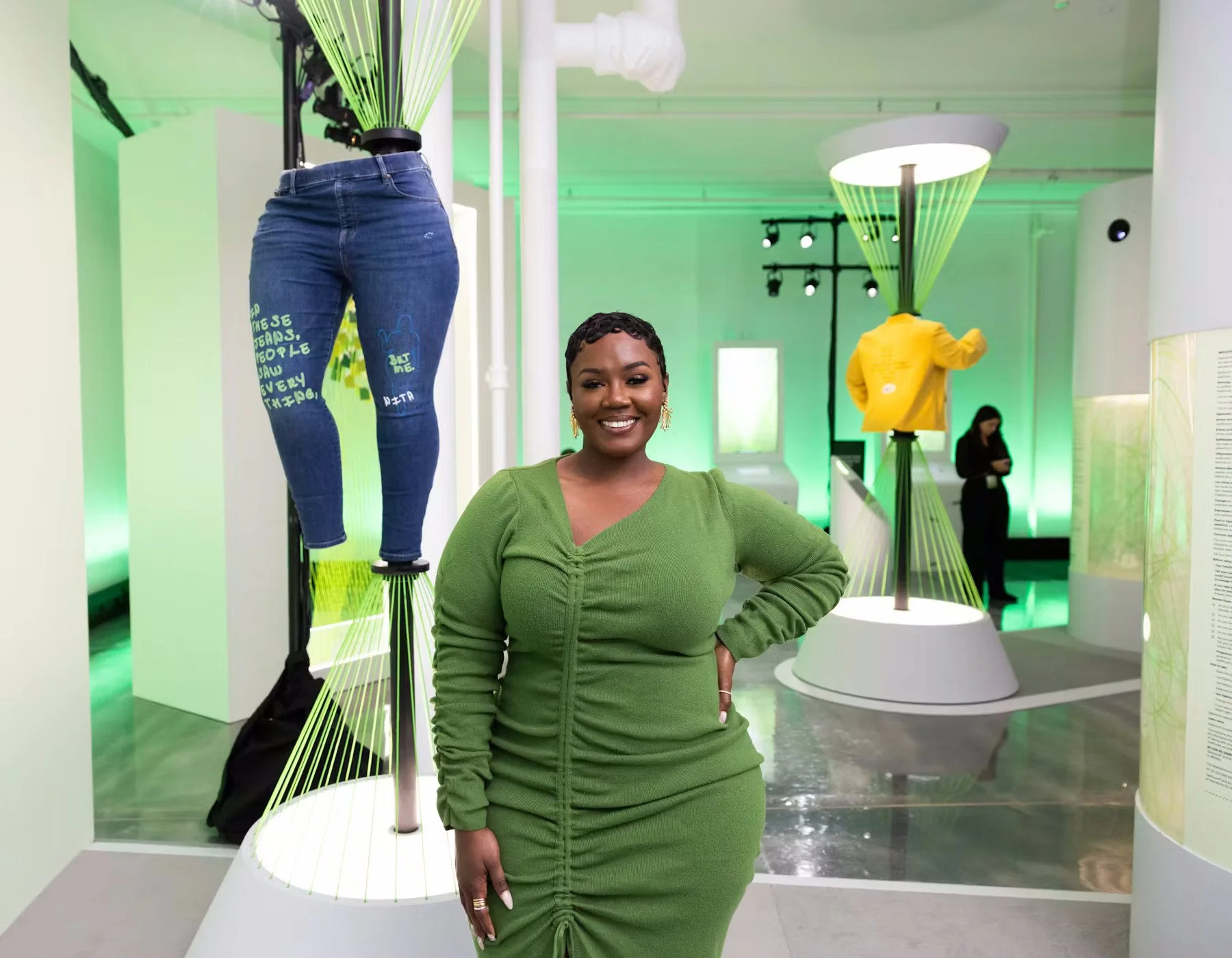
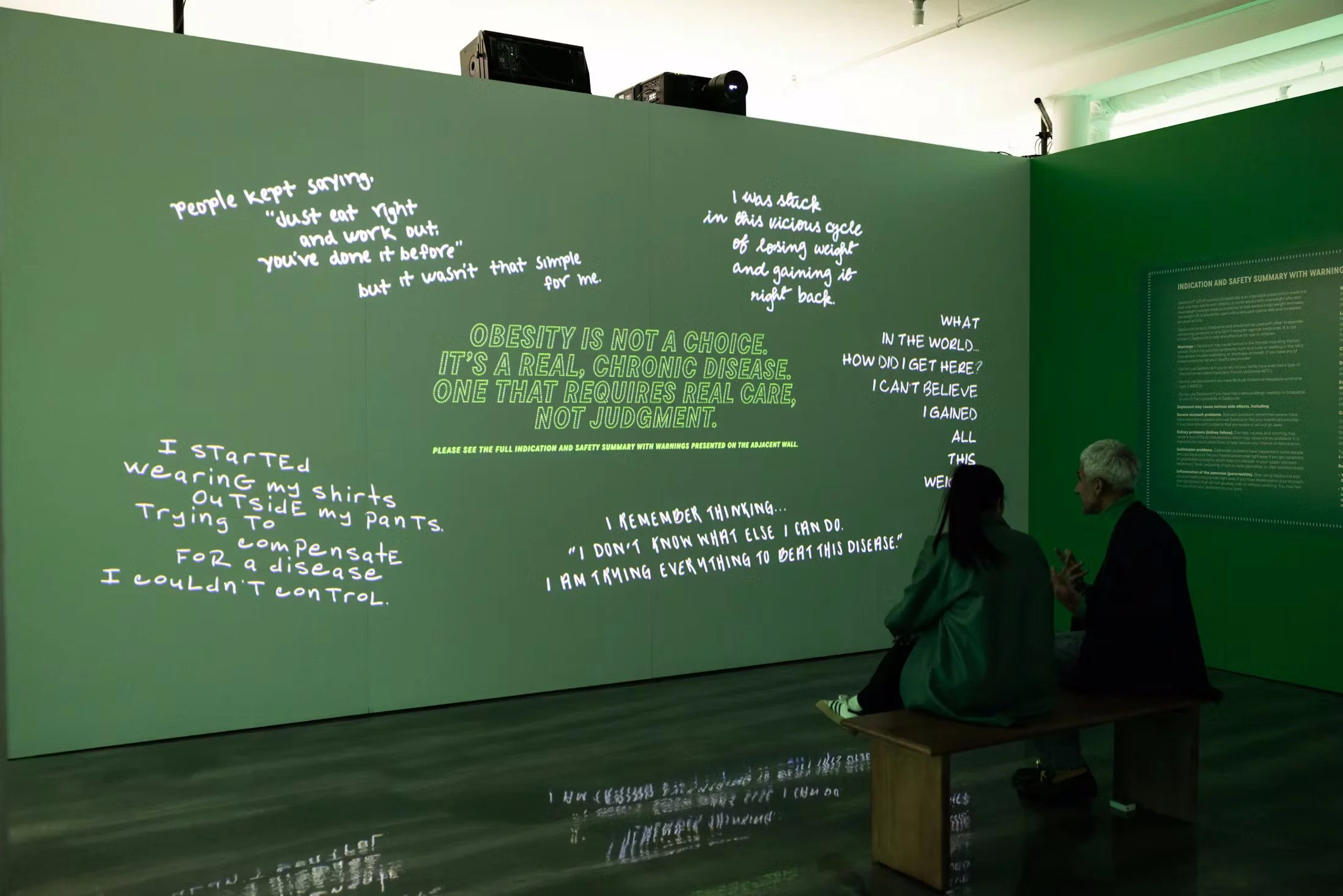
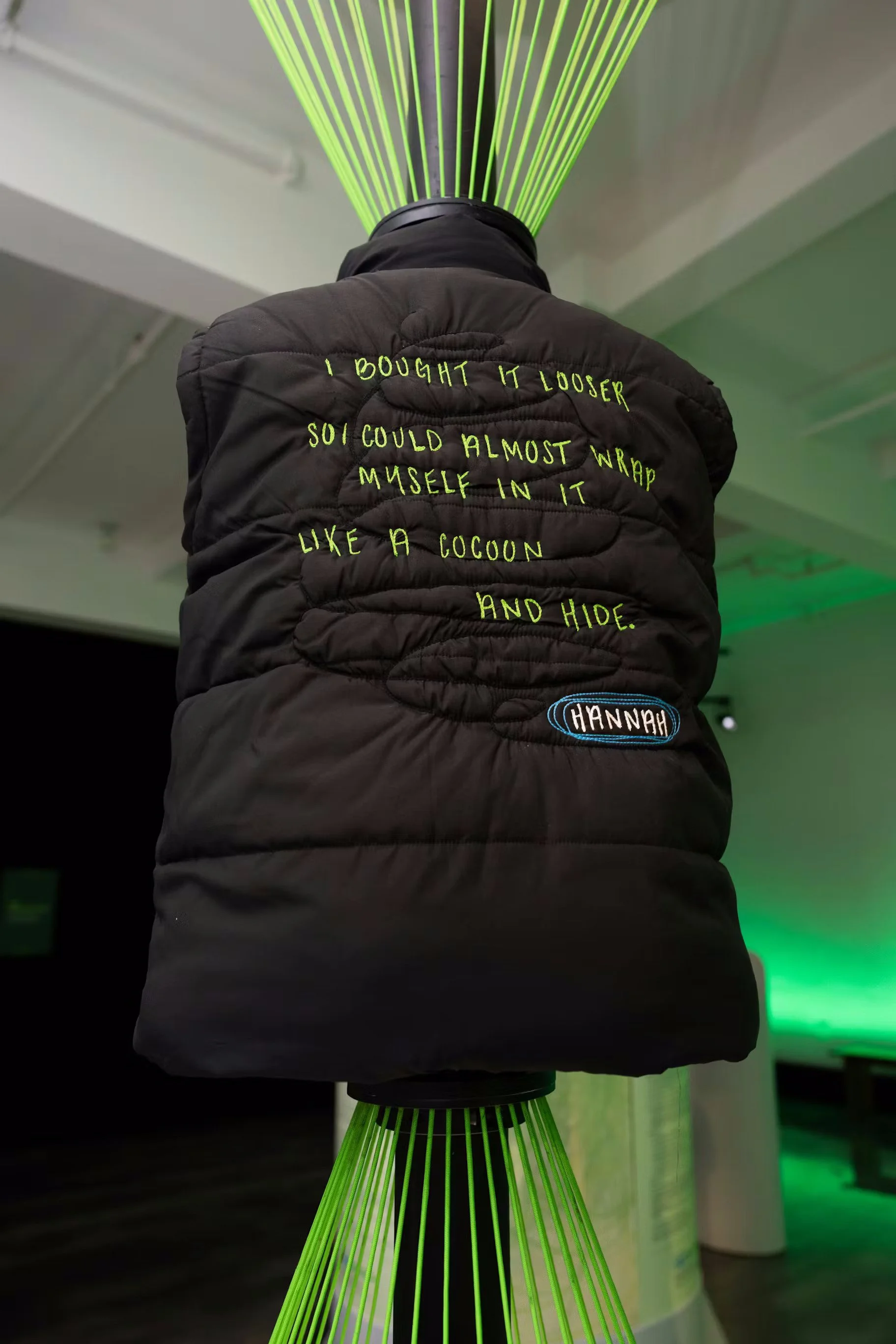
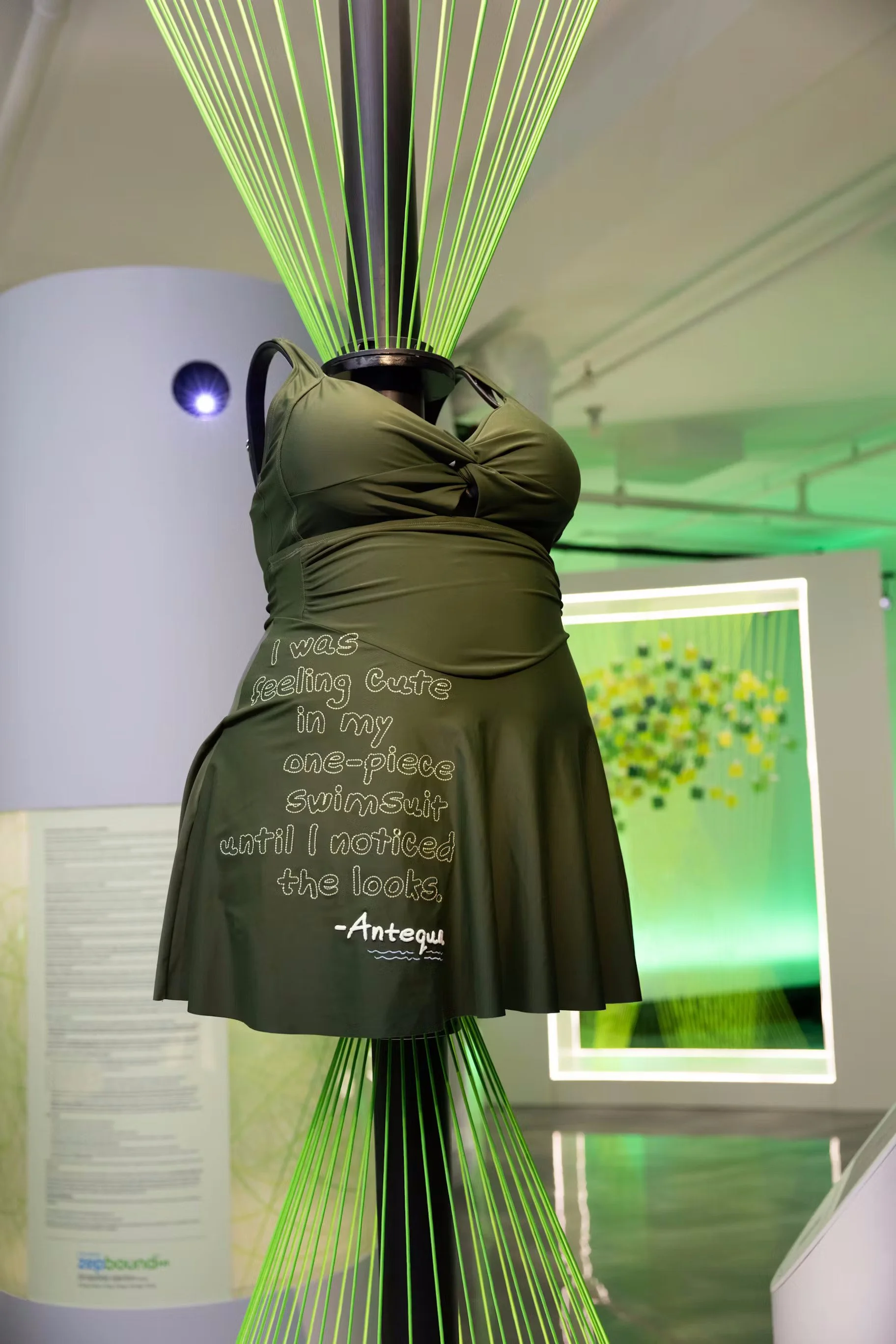
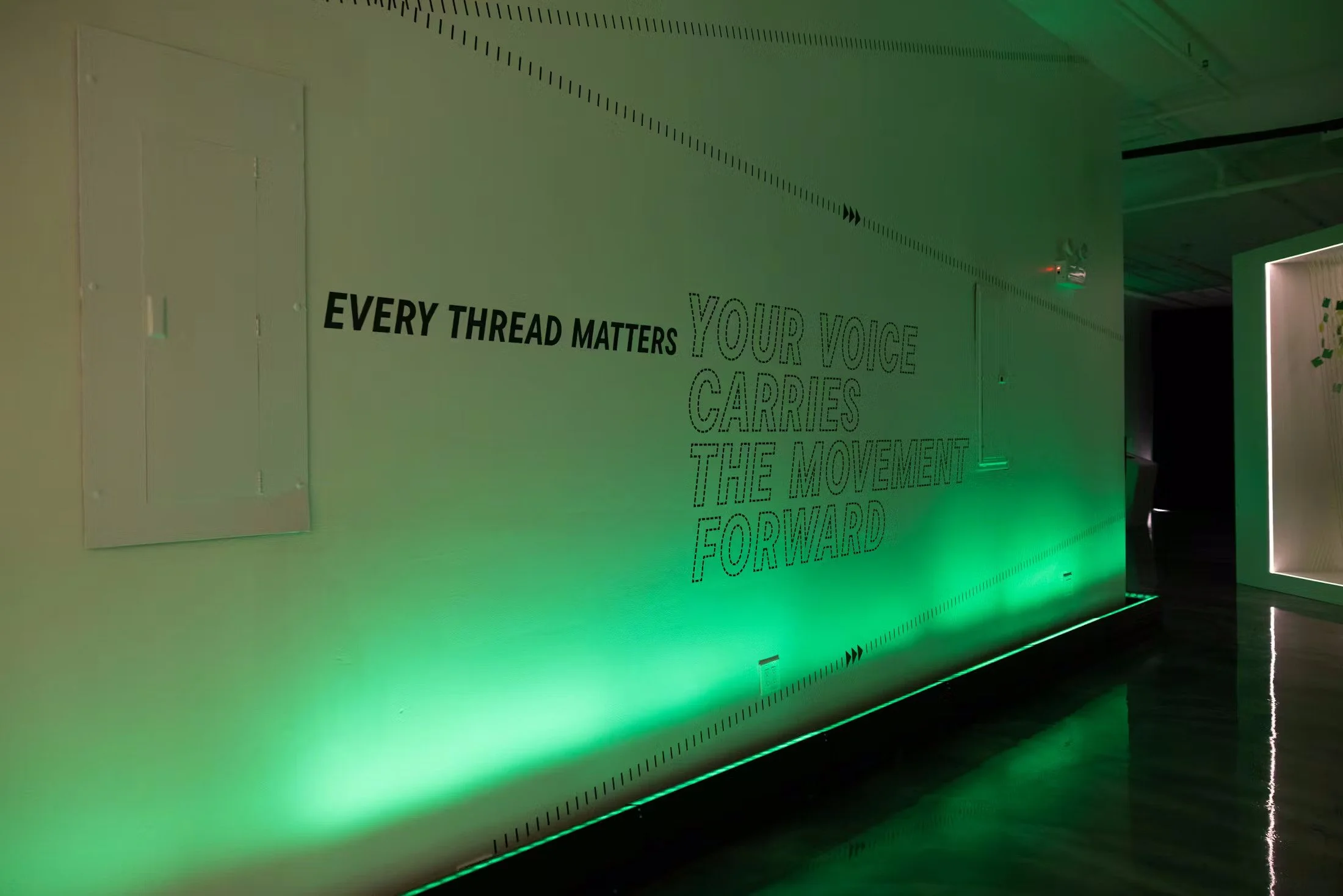
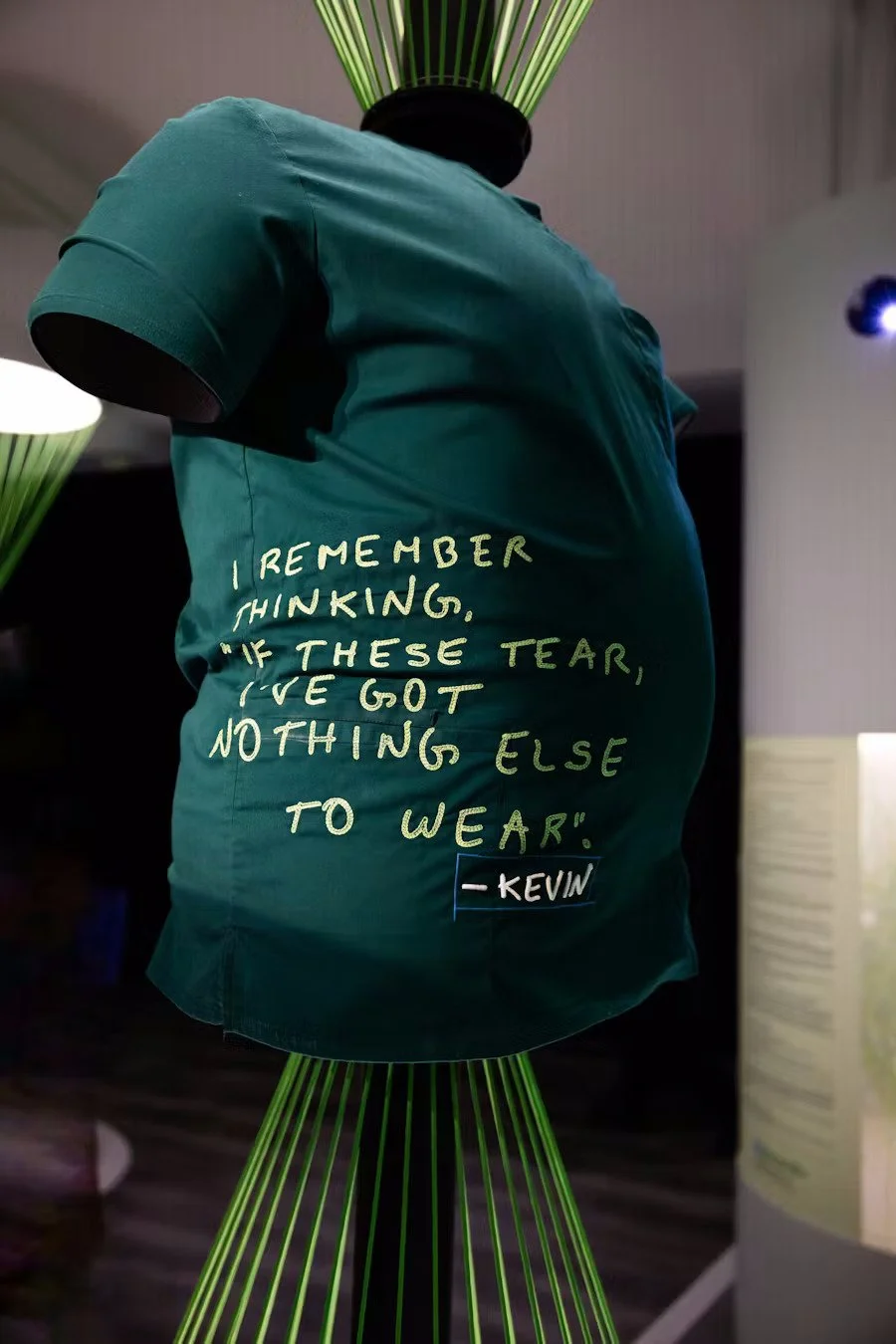
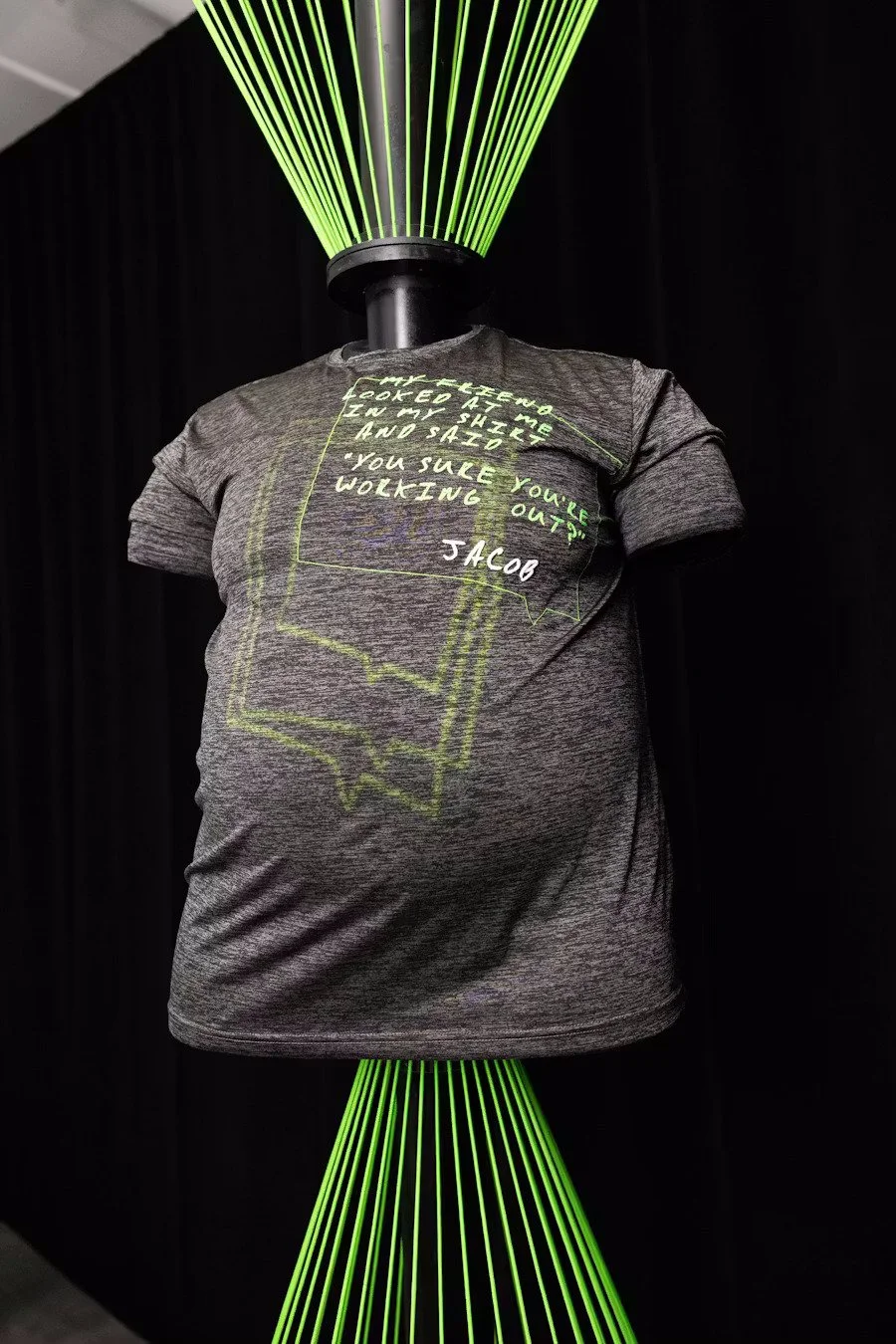

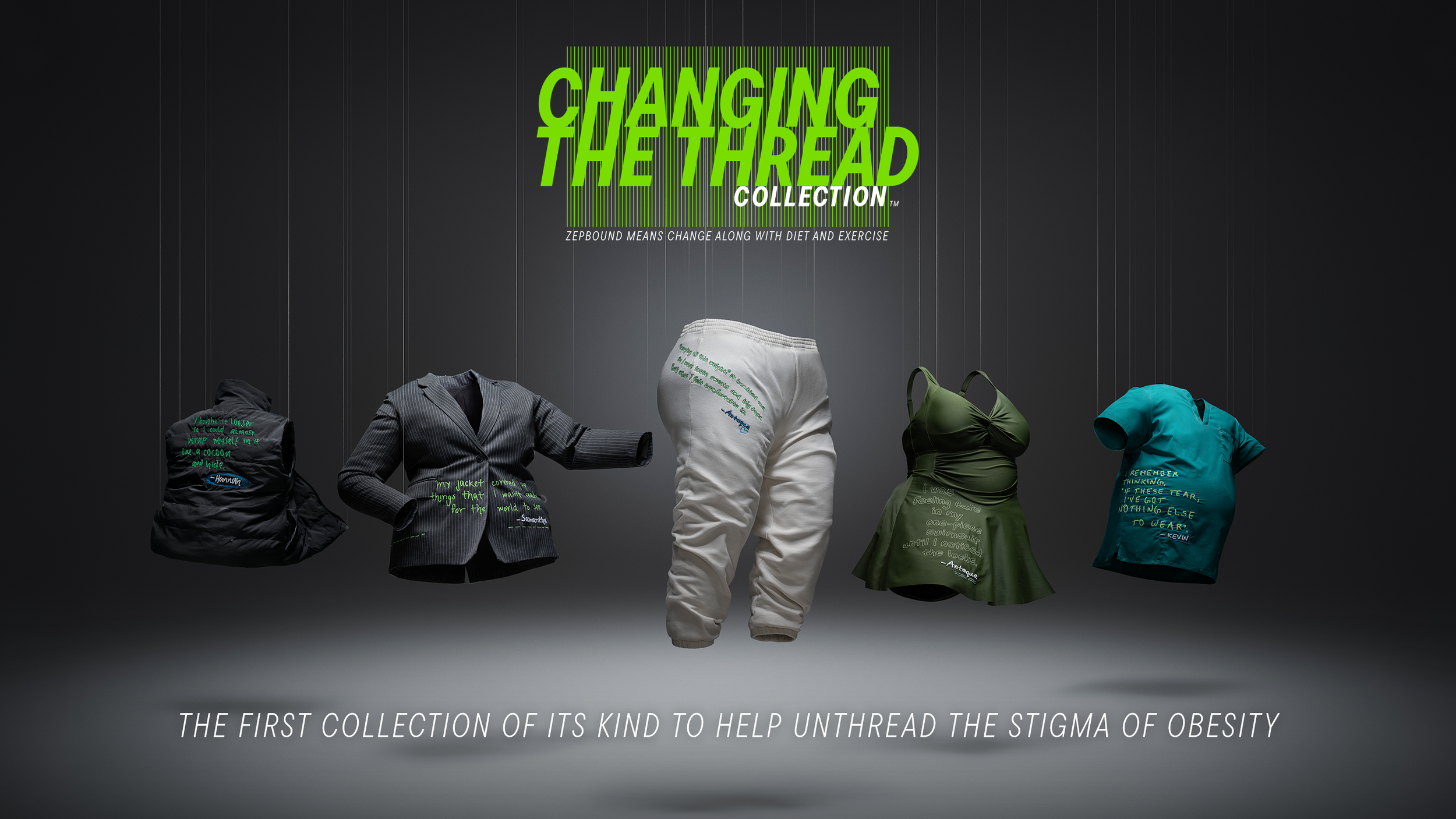
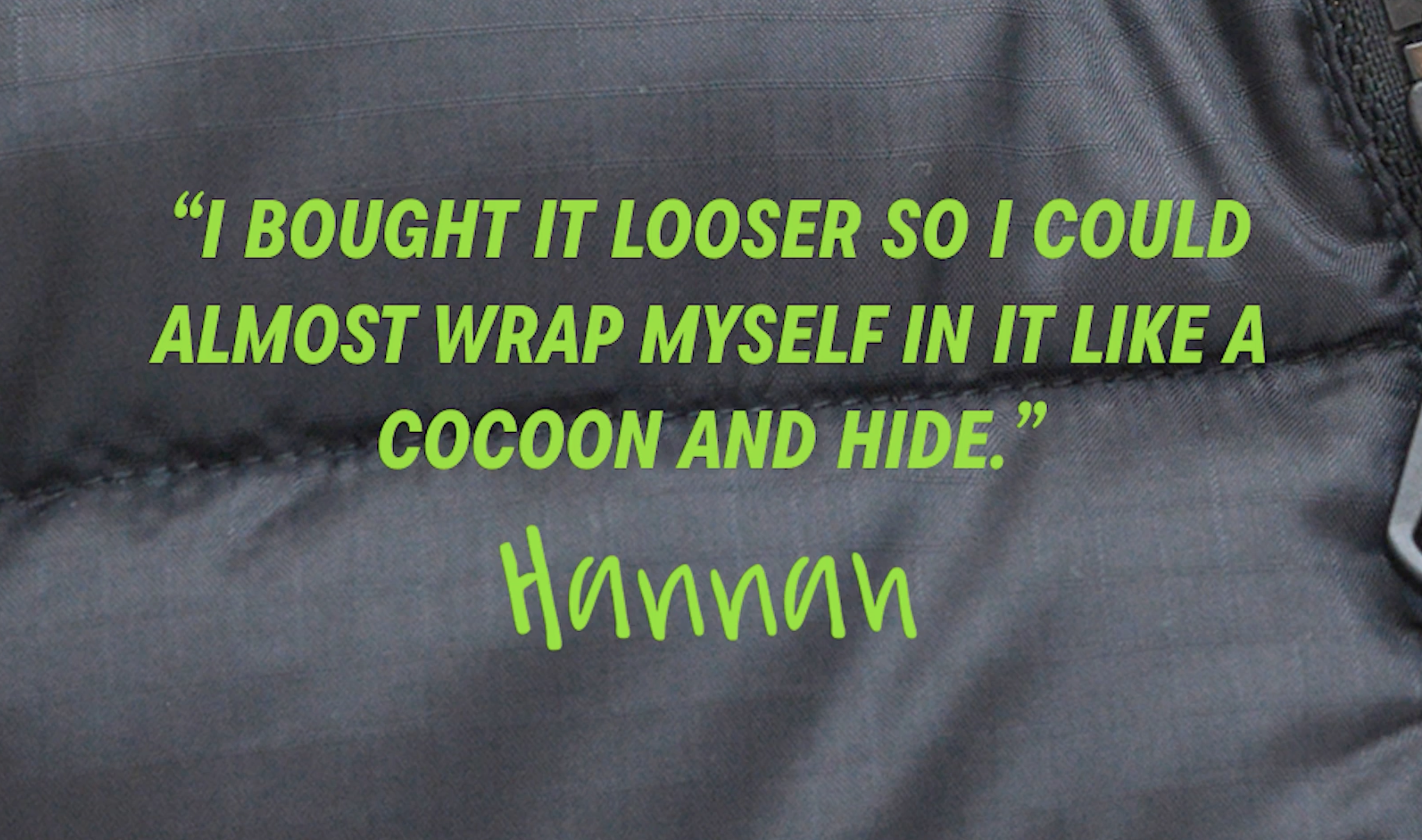
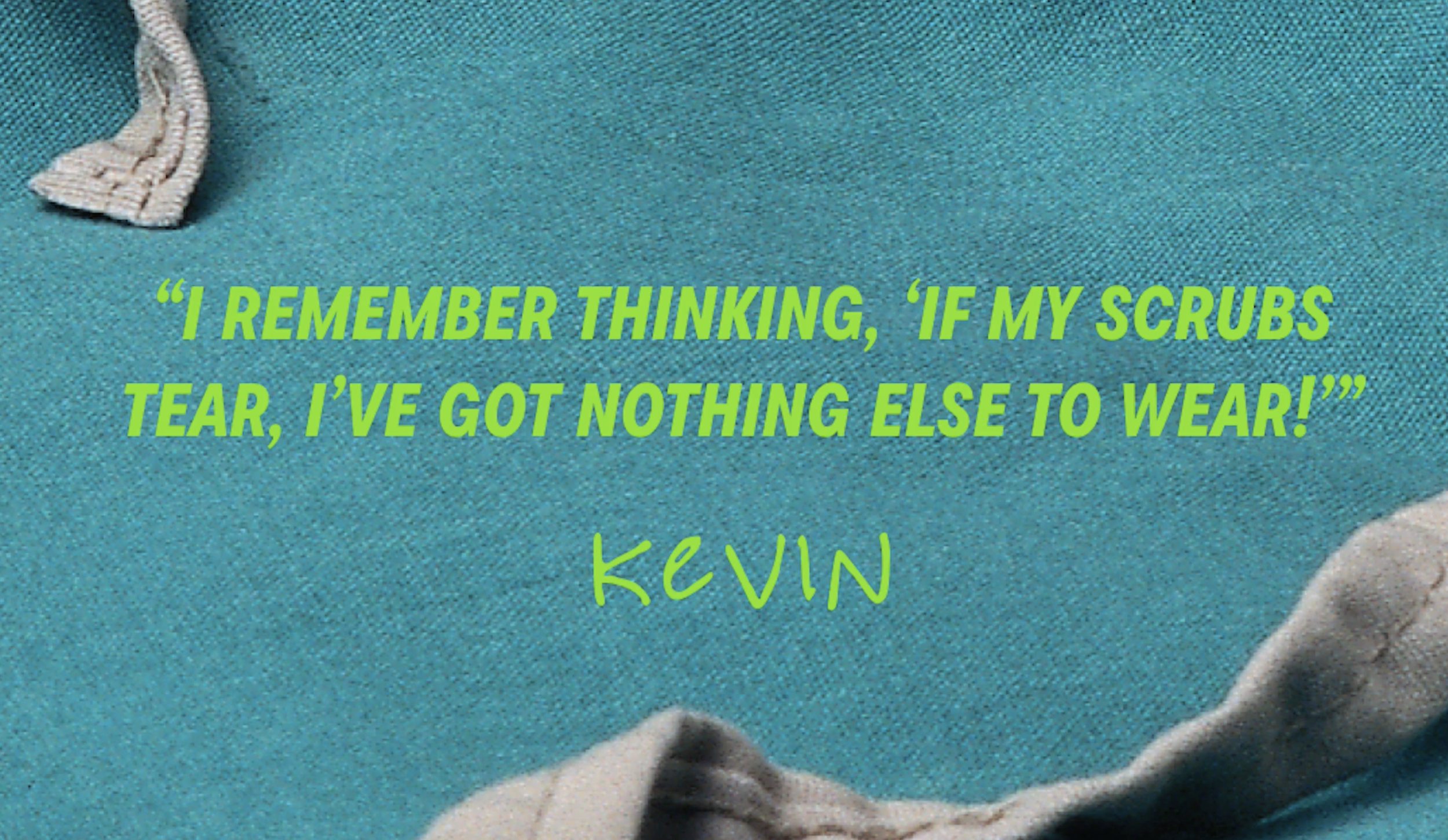
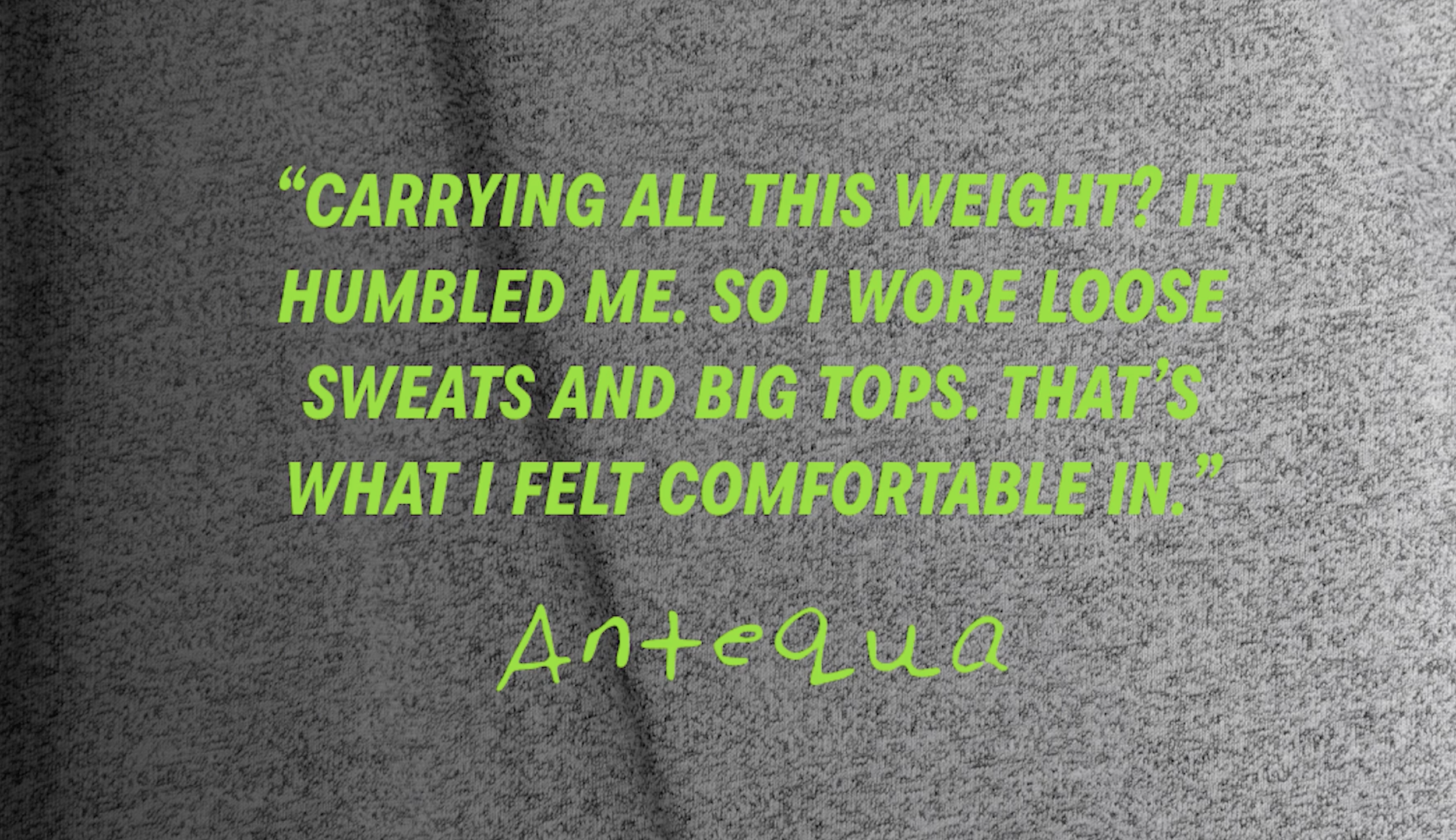
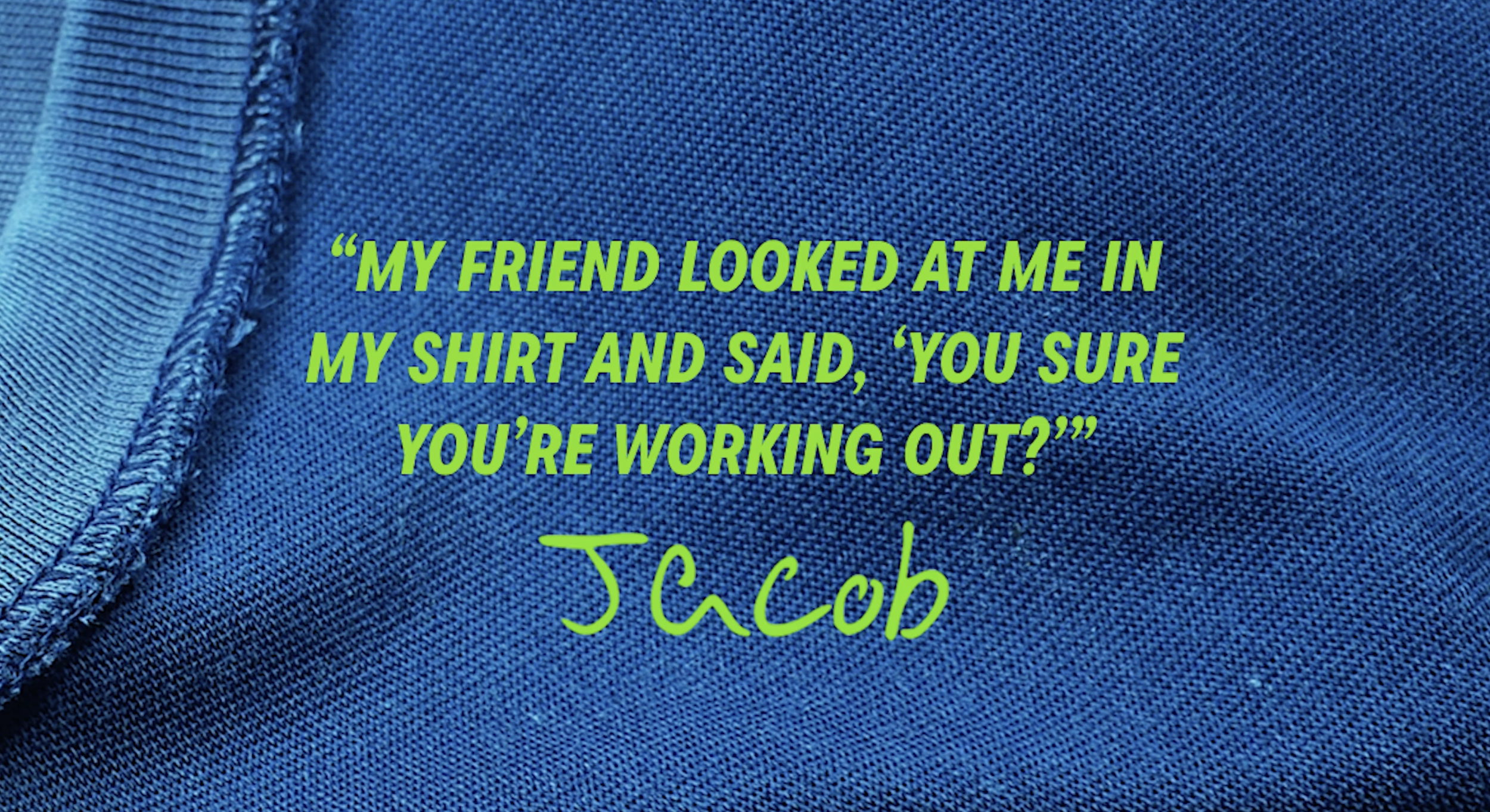
The idea behind Changing the Thread was to make stigma visible. Tangible. Impossible to ignore.
We asked people living with obesity to donate clothing they’d held onto for years, not because it fit, but because it carried meaning. Hope. Shame. Memory. Each garment became a canvas. We embroidered their personal stories directly into the fabric, turning something private into something quietly confrontational.
The result was an immersive gallery experience, part art show, part reckoning.
Every thread represented a belief someone had internalized over time. Things like “You just need discipline,” or “This is your fault.” Beliefs stitched into culture long before most of us were old enough to question them, reinforced in healthcare settings, media, and even our own inner monologues.
Inside the space, those threads didn’t just sit there. They unraveled. Yarn stretched across the room, cinematic and tactile, showing how these narratives get passed down, reinforced, and absorbed. And then, slowly, deliberately, they were pulled apart and rewoven into something else, grounded in science, compassion, and reality.
Not inspiration. Not motivation. Understanding.
Because the point wasn’t to make people feel better about obesity. It was to make them see it differently. As a complex, chronic disease. Not a character flaw.
Changing the Thread wasn’t about telling people what to think.
It was about showing them how much of what they already believed was never theirs to begin with, and proving that those stories, like threads, can be rewritten.